

Handbags and tote bags are both everyday essentials, but they serve different purposes and appeal to different use cases. While the terms are often used interchangeably, understanding the distinction can help you choose the right bag—whether for personal use, retail resale, corporate gifting, or promotional branding.
In this guide, we break down the key differences between handbags and tote bags, covering size, structure, materials, functionality, and ideal use cases—especially relevant for Canadian shoppers and businesses.
Why is it called a tote bag?
The word “tote” comes from an old English colloquial term meaning “to carry.” The concept dates back to the early 17th century, but the modern tote bag became popular in the 20th century as a practical, reusable carry-all.
Today, tote bags are widely used for:
- Shopping and groceries
- Work or school essentials
- Trade shows and promotional giveaways
- Eco-friendly alternatives to plastic bags
Their versatility has made them especially popular in Canada, where reusable bags are encouraged for sustainability and everyday convenience.

Why is it called a handbag?
A handbag is named for its original design—meant to be carried by hand or on the forearm. Over time, handbags evolved into a fashion-forward accessory designed to hold daily personal essentials such as a phone, wallet, keys, and cosmetics.
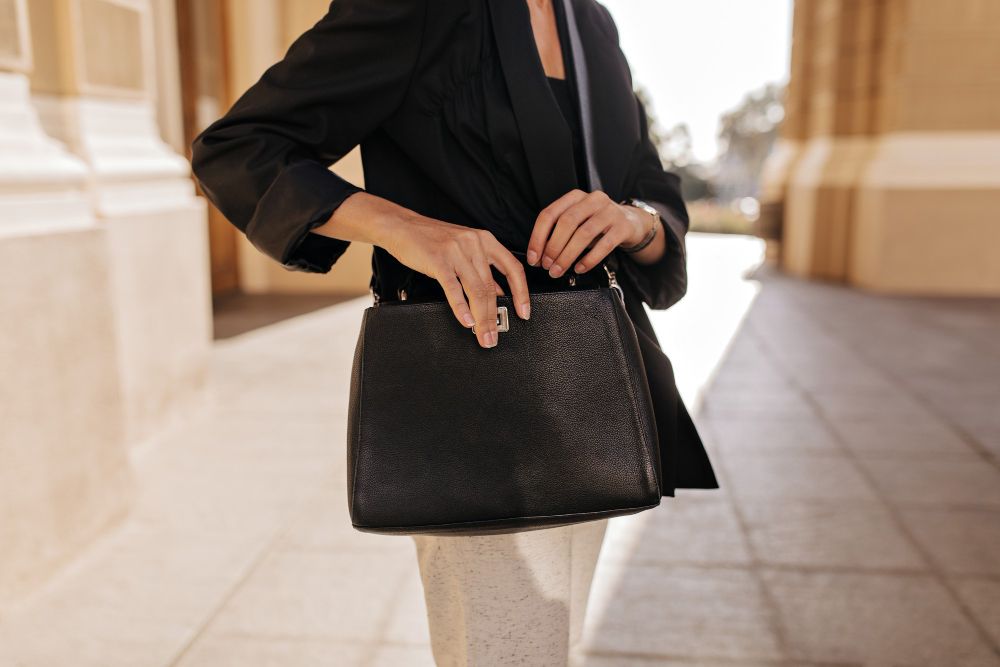
Handbags gained popularity in the early 1900s and remain a staple in:
- Fashion retail
- Formal or professional settings
- Occasion-based styling
Key Differences Between a Handbag and a Tote Bag:
1. Size and Shape:
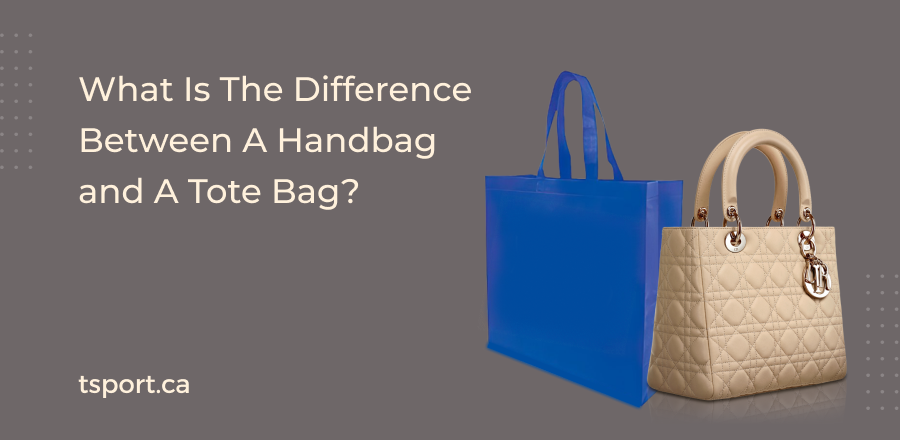
The size and shape are apparent distinguishing factors between handbags and tote bags. Handbags are typically smaller and more compressed compared to tote bags. They are available in various shapes, like satchels, clutches, and shoulder bags. Conversely, tote bags are larger and roomier, featuring a rectangular shape with two straps to carry over the shoulder.
2. Functionality:
The key difference between handbags and tote bags lies in their intended use. While handbags are designed to carry a limited number of essential items, tote bags are meant to hold larger and more varied contents. This means that tote bags tend to be larger and more durable, with thicker straps that can bear the weight of heavier items.
3. Materials:
The materials used to make handbags and tote bags also differ. Handbags are typically made from luxurious materials, such as leather, suede, or satin, and may have embellishments like sequins, embroidery, or beading. Tote bags, on the other hand, are usually made from more durable and practical materials, such as canvas, nylon, or polyester.
4. Closure:
The way handbags and tote bags close is another feature that sets them apart. Handbags often have a zipper, snap, or clasp that keeps the contents secure. Tote bags, on the other hand, may have an open top, a zipper, or a drawstring closure.
What is the main purpose of a handbag and tote bag?
Both handbags and tote bags are designed to carry personal belongings, but their primary purpose differs:
- Handbags focus on style, organisation, and convenience
- Tote bags focus on capacity, durability, and versatility
This distinction makes tote bags especially suitable for:
- Retail resale
- Corporate branding
- Event giveaways
- Everyday shopping
Conclusion:
While handbags and tote bags may look similar at first glance, the differences lie in size, structure, materials, functionality, and intended use. Handbags are compact and fashion-focused, while tote bags are spacious, practical, and versatile.
Understanding these differences helps you make a smarter purchase—whether for personal use or business needs.
Explore our collection of durable, reusable non-woven tote bags at Tsport.ca, ideal for shopping, promotions, and everyday carry.